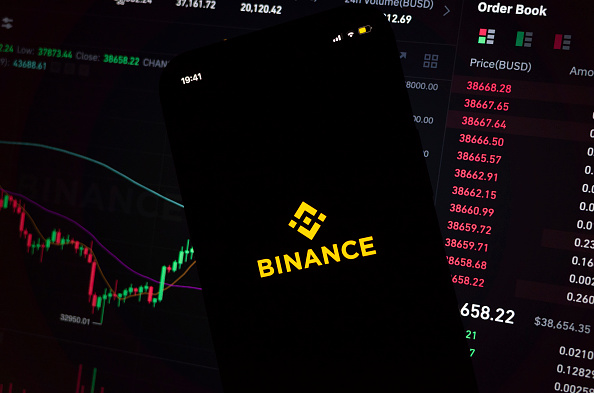
Binance has released Agent OS, a development framework that enables artificial intelligence agents to execute cryptocurrency trades directly. The platform integrates with popular AI tools including ChatGPT, Claude Code, and Cursor, allowing developers to automate complex trading strategies through natural language processing and autonomous code execution. By providing these integrations, Binance aims to bridge the gap between large language models and active financial markets.
While the system facilitates automated trading, the responsibility for oversight remains with the end user. Binance has stated that keeping these AI agents in check is largely the duty of those who deploy them. This includes monitoring the agents for errors, unexpected behaviors, or deviations from intended trading strategies, as the platform itself does not provide comprehensive built-in safeguards to prevent autonomous mistakes.
For IT directors and operations leaders, the introduction of Agent OS represents a significant shift in how autonomous systems interact with financial infrastructure. The reliance on user-level oversight highlights the ongoing challenge of managing AI governance within highly volatile environments. Organizations must consider how their internal control frameworks adapt to tools that grant external AI models direct execution authority over corporate or client assets.
The BroadVision view
This development underscores the necessity for robust governance when integrating autonomous AI with transactional systems. IT teams should focus on establishing strict API permissions and monitoring protocols to mitigate the risks of unauthorized or erroneous automated actions. Reviewing your organization's approach to data intelligence solutions can help ensure these emerging tools remain aligned with security standards. Teams weighing what to change first can review BroadVision's managed IT services.